

Hands-on impressions from the CES show floor
Walking the Razer booth at CES 2026 felt different from most gaming hardware showcases. There were no towering spec boards competing for attention. No desperate attempt to outshine competitors with raw numbers. Razer focused on something more deliberate: the environment players exist in while gaming.
Project Madison Gaming Chair

Project Madison was the centerpiece and the product people stopped for without needing a sign. This wasn’t a novelty chair chasing shock value. It was an immersive system built around restraint.
The chair integrates Sensa HD Haptics, THX Spatial Audio, and Chroma RGB, but the standout detail was how selectively those features were used. Haptic feedback responded to directional cues and environmental events rather than constant vibration. Audio felt localized and natural, embedded into the seating position instead of blasting from above or behind.
In person, the experience felt intentional. The chair didn’t fight the game for attention. It supported it. This was one of the rare CES concepts that felt closer to production than fantasy.
Project Ava AI Companion

Project Ava quietly became one of the most intriguing things in the booth. This AI-powered desk companion is designed to function as an always-present assistant for gaming and productivity.
The display sat comfortably on the desk, acting as a contextual layer rather than another screen to manage. Ava is built to analyze gameplay, offer situational insights, help with settings optimization, and assist with multitasking outside of games. It felt less like a voice assistant and more like a co-pilot.
Wolverine V3 Bluetooth Controller
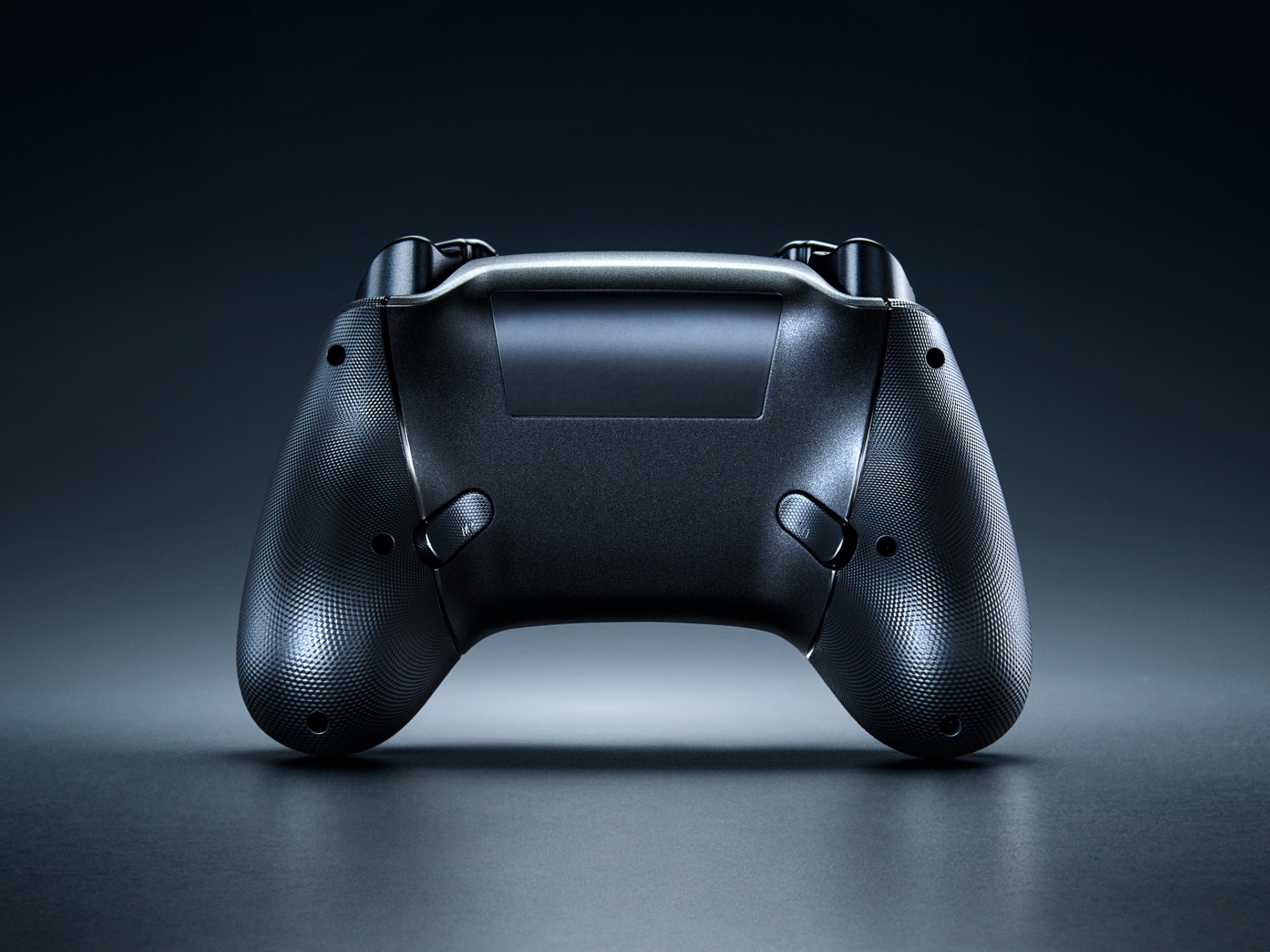
The Wolverine V3 Bluetooth controller represented Razer’s most immediately practical product at the show. Designed with Smart TVs, cloud gaming, and living room setups in mind, it leaned into low-latency Bluetooth performance rather than traditional console pairing.
Integrated TV controls made navigation feel native instead of adapted. In-hand feel was familiar to anyone who has used Razer’s competitive controllers, but the intent was clearly broader. This controller wasn’t built for one screen or one platform. It was built for where gaming is moving.
On the show floor, it felt like a confident acknowledgement that high-end gaming no longer belongs only at a desk.
Project Motoko Wearable Concept
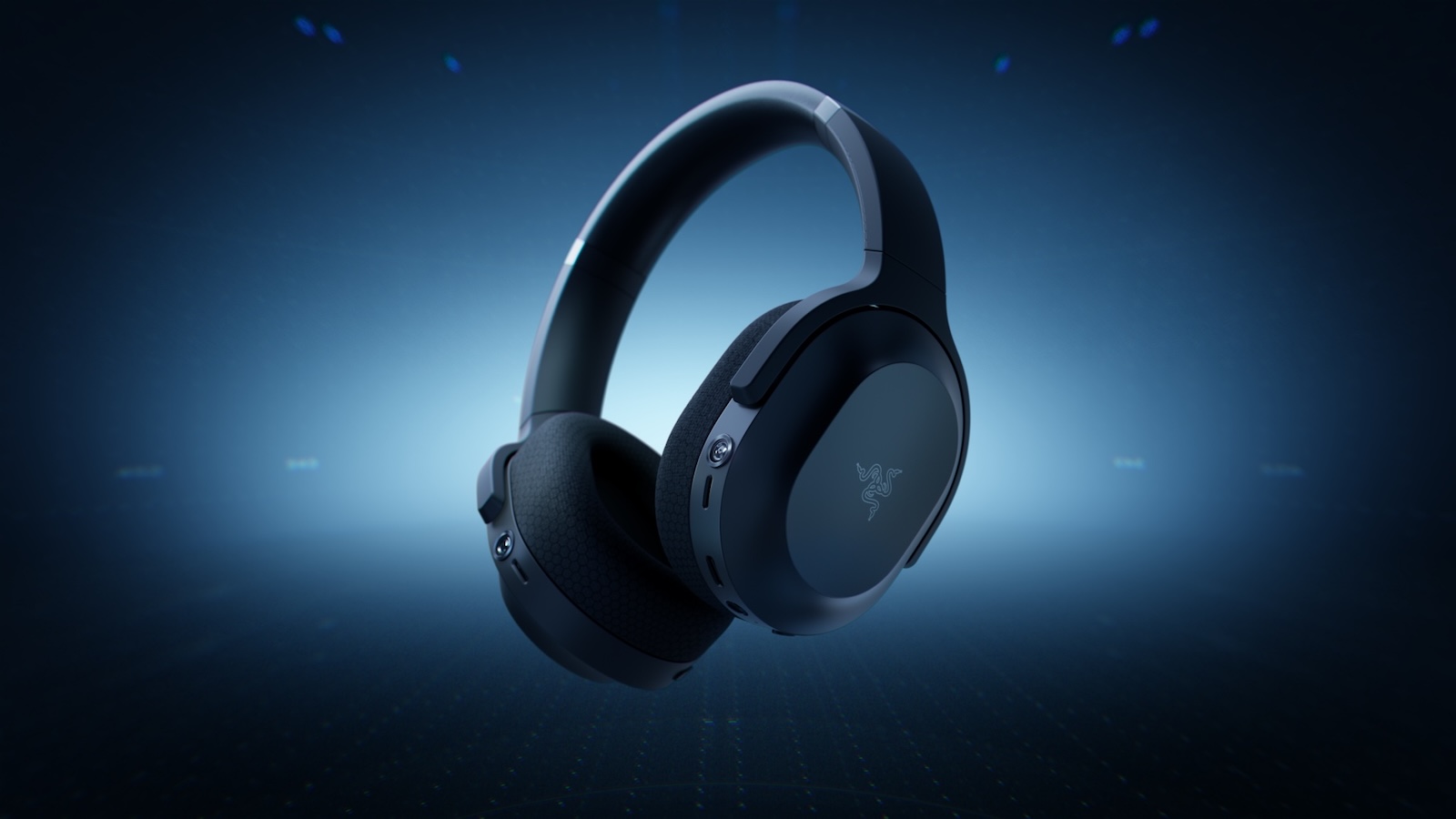
Project Motoko was one of the more polarizing Razer concepts at CES, but it was impossible to ignore. This AI-assisted wearable headset combined cameras, voice control, and contextual awareness in a form that sat somewhere between gaming accessory and future interface.
It wasn’t framed as an audio-first device. It was positioned as a companion—something that could assist, analyze, and interact alongside games and applications. In person, it felt experimental, but intentional. Razer wasn’t presenting Motoko as finished. They were presenting a direction.
Iskur V2 Gaming Chair
Alongside Project Madison, Razer also showcased updates to the Iskur V2, reinforcing their commitment to ergonomics rather than spectacle. The chair focused on long-session comfort, adjustability, and structural support rather than layered tech.
Compared to Madison’s immersive ambitions, Iskur V2 felt grounded and ready. It served as a reminder that Razer isn’t abandoning practical gaming furniture while they explore future concepts.
The Bigger Picture on the Show Floor
What tied Razer’s CES 2026 lineup together wasn’t any single product. It was philosophy. Chairs, controllers, and wearables all pointed toward the same goal: making gaming environments smarter, more responsive, and more personal.
Razer didn’t try to win CES with volume. They won it with cohesion. Every product felt like part of a larger ecosystem rather than a one-off announcement.
Leaving the booth, the takeaway was clear. Razer isn’t just building hardware for games anymore. They’re designing the space around the player—and CES 2026 made that direction impossible to miss.