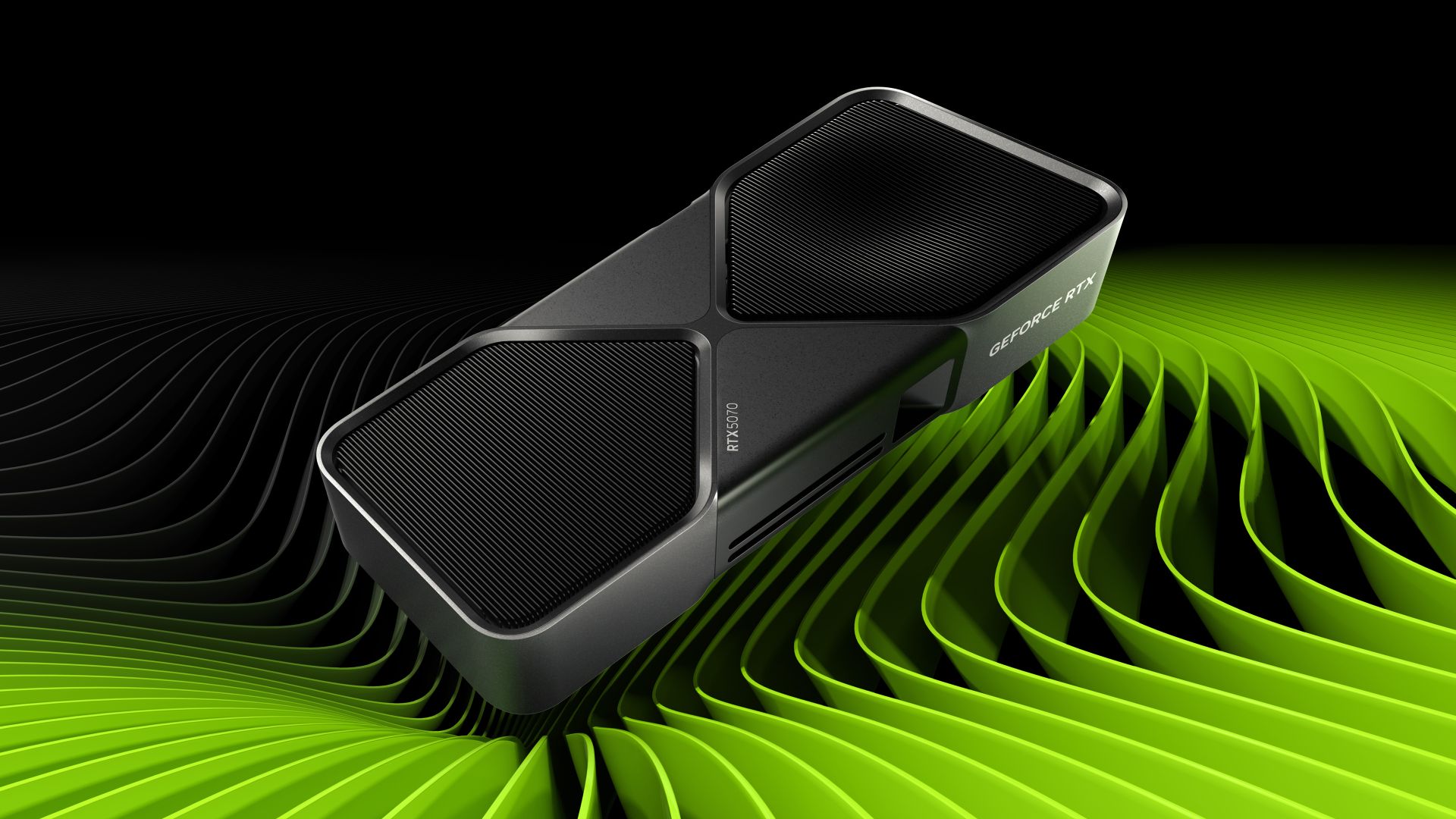

At CES 2025, NVIDIA introduced the much-anticipated GeForce RTX 50-series GPUs, powered by the cutting-edge Blackwell architecture. This new lineup promises a monumental leap in performance, energy efficiency, and AI-enhanced features compared to the RTX 40-series (Ada Lovelace architecture). Here’s an in-depth look at the RTX 50 GPUs and how they stack up against their RTX 40 counterparts.
Key Features of the RTX 50-Series

Blackwell Architecture
- The RTX 50-series GPUs are built on the new Blackwell architecture, named after David Blackwell, a renowned mathematician.
- Blackwell is a significant evolution from Ada Lovelace, featuring advanced chiplet-based design. This approach allows NVIDIA to integrate multiple smaller chiplets onto a single package, enhancing performance and reducing manufacturing costs compared to monolithic dies used in previous generations.
- Boasts an 18,000 CUDA core ceiling on the flagship RTX 5090, compared to the 16,384 CUDA cores on the RTX 4090.
Performance Gains
- NVIDIA claims 2-3x performance improvements across the lineup compared to RTX 40-series GPUs, particularly in games and workloads leveraging the new DLSS 4 technology.
- The new GDDR7 memory improves bandwidth significantly (up to 36 Gbps per module), compared to GDDR6X on the RTX 40 series (24 Gbps max on RTX 4090).
- Enhanced ray-tracing capabilities with fourth-generation RT cores, allowing for real-time path tracing with minimal performance dips.
- Fifth-generation Tensor Cores dramatically improve AI-driven workloads, including DLSS, video encoding, and AI-assisted content creation.
DLSS 4 with Multi-Frame Generation
- DLSS 4 introduces Multi-Frame Generation, a revolutionary technology that generates multiple frames per rendered frame, compared to the single-frame generation in DLSS 3.
- This enables up to an 8x performance boost in supported games, with smoother frame pacing and reduced latency.
- Real-world gaming demos showed flagship RTX 5090 GPUs running Cyberpunk 2077 at 4K with ultra settings and ray tracing at 180+ FPS, a feat unattainable with the RTX 4090.
Energy Efficiency
- Blackwell architecture utilizes a new 5nm fabrication process from TSMC, leading to a 30% reduction in power consumption compared to Ada Lovelace.
- Improved power efficiency across the lineup means even the high-performance RTX 5090 (550W TDP) is more efficient watt-for-watt than the RTX 4090 (450W TDP).
AI-Specific Enhancements
- RTX 50-series GPUs feature a dedicated AI accelerator chip, improving AI-driven applications like image upscaling, real-time rendering, and language model inference.
- NVIDIA’s GeForce Studio suite benefits from these enhancements, making the RTX 50 GPUs a powerhouse for creative professionals.
Lineup and Pricing

The GeForce RTX 50-series includes the following models:
- RTX 5070: $549
- Performance comparable to the RTX 4090 in gaming benchmarks, thanks to the inclusion of DLSS 4.
- Targets mainstream gamers who want high performance without breaking the bank.
- RTX 5070 Ti: $749
- Offers a slight performance bump over the 5070, aimed at enthusiasts who demand higher settings and resolutions.
- RTX 5080: $999
- Designed as the sweet spot for high-end gaming and content creation, offering significant performance improvements over the RTX 4080.
- RTX 5090: $1,999
- The flagship GPU with 18,000 CUDA cores, GDDR7 memory, and jaw-dropping performance in 4K gaming and professional workloads.
RTX 50-Series vs RTX 40-Series: A Detailed Comparison
| Feature | RTX 40-Series (Ada Lovelace) | RTX 50-Series (Blackwell) |
|---|---|---|
| Architecture | Ada Lovelace | Blackwell (Chiplet-based design) |
| Manufacturing Node | TSMC 4N (4nm) | TSMC 5nm |
| CUDA Cores | Up to 16,384 (RTX 4090) | Up to 18,000 (RTX 5090) |
| Memory Type | GDDR6X (up to 24 Gbps) | GDDR7 (up to 36 Gbps) |
| Ray-Tracing Cores | Third-Gen RT Cores | Fourth-Gen RT Cores |
| Tensor Cores | Fourth-Gen Tensor Cores | Fifth-Gen Tensor Cores |
| DLSS Version | DLSS 3 with Frame Generation | DLSS 4 with Multi-Frame Generation |
| AI Accelerator | None | Dedicated AI accelerator chip |
| Power Efficiency | High, but limited by TDP constraints | 30% more efficient watt-for-watt |
| Performance Boost | Up to 50% over RTX 30-series | 2-3x over RTX 40-series |
| Flagship MSRP | $1,599 (RTX 4090) | $1,999 (RTX 5090) |
Gaming Performance
The RTX 50-series GPUs show a massive leap in gaming benchmarks:
- Cyberpunk 2077 (Ultra RT, 4K): RTX 5090 achieves 185 FPS with DLSS 4, compared to 100 FPS on the RTX 4090 with DLSS 3.
- Starfield (Ultra, 4K): RTX 5090 delivers 140 FPS, compared to 85 FPS on the RTX 4090.
- Fortnite (Epic RT, 4K): RTX 5070 matches RTX 4090’s performance at 90 FPS while using less power.
Who Should Upgrade?
- RTX 30-Series Owners: If you’re coming from the RTX 30-series, the RTX 50-series represents a transformative upgrade, with up to 5x the performance in AI-enhanced workloads and 2-3x in gaming.
- RTX 40-Series Owners: For those with an RTX 4080 or 4090, upgrading may be less urgent unless you’re an enthusiast or need the latest AI-driven features.
The RTX 50-series cements NVIDIA’s dominance in the GPU market, delivering not just raw power but also industry-first features like Multi-Frame Generation. The Blackwell architecture’s innovations in performance, AI integration, and energy efficiency set a new standard for what GPUs can achieve. While pricing remains a point of contention (especially with the RTX 5090 reaching $1,999), the generational leap in capabilities ensures the RTX 50-series will be the go-to GPUs for gamers, creators, and AI researchers alike.

