
Reviewed on a RTX4090 Desktop
I’ve loved Call of Duty’s campaigns since playing Call of Duty 2 on Xbox 360. The scale of those battles and the feeling of being caught inside something much larger than yourself became a huge part of why I kept coming back. Multiplayer has its place, but I’ve always wanted to see where the next campaign would take me. When Modern Warfare was revealed in 2019, its new engine and changes to the gameplay had me excited about that possibility all over again.
Modern Warfare 4 gave me that feeling again. After everything I disliked about Modern Warfare 3’s campaign, I wanted to see whether Infinity Ward could bring this storyline to a conclusion worth caring about. I went into this finale with years of investment in these characters, along with some frustration over where the previous game had left them.
Finishing What 2019 Started
I’m impressed by how well Infinity Ward closes the loop on the story established in 2019. Price is now operating outside the system he once served, pursuing his own objectives while the consequences of those decisions become increasingly difficult to escape. Alongside him, the campaign follows Park Hyun Jun and his squad as a North Korean invasion tears through South Korea. Moving between Price’s covert operations and soldiers caught in a developing war gives the story two very different perspectives on the same escalating conflict.
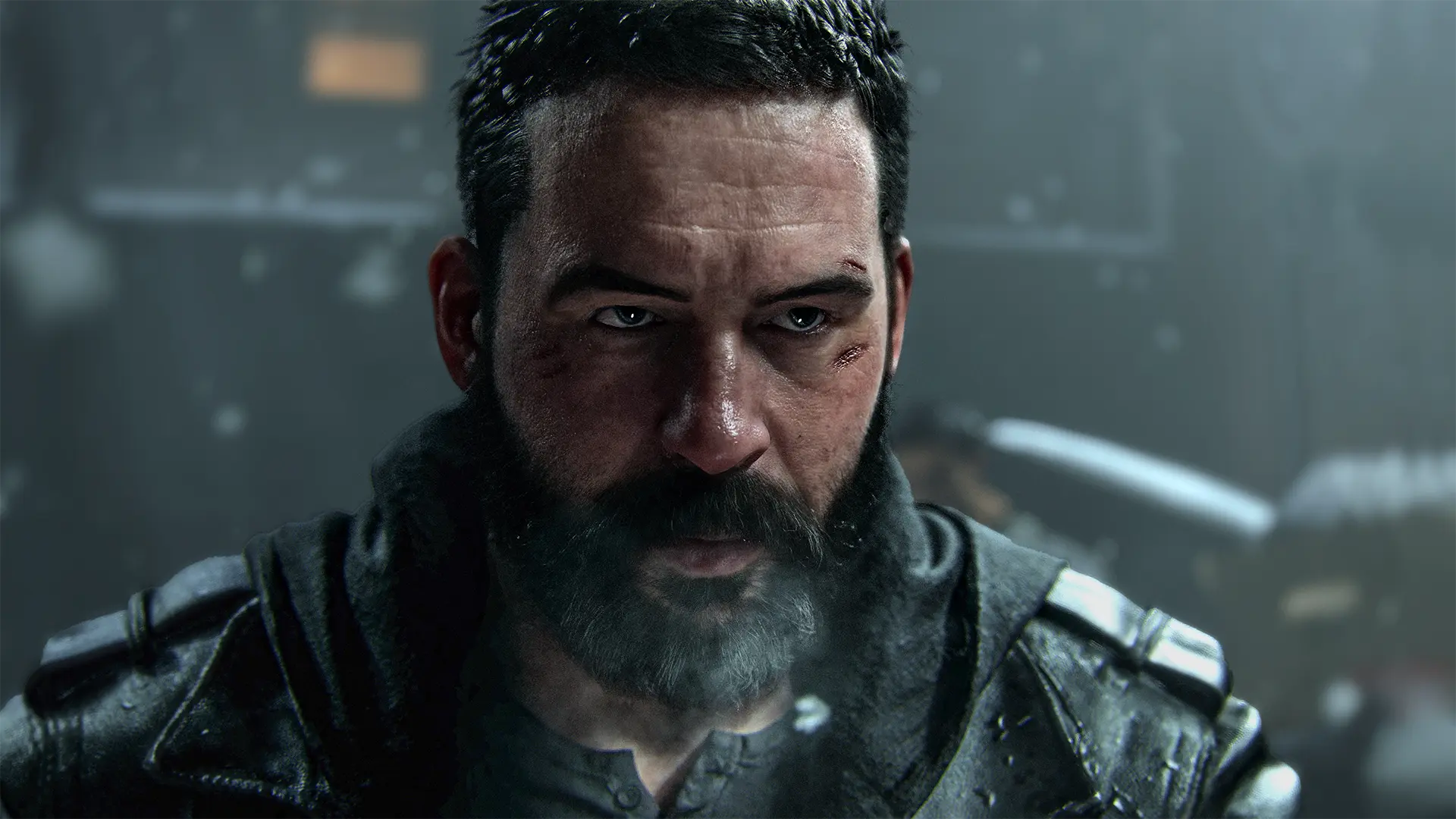
Park and the squad are fantastic additions. Their personalities have room to come through, and the performances make their relationships feel believable before the campaign asks you to care about what happens to them. Jae, in particular, helps give those exchanges a sense of familiarity and humanity. I appreciated being able to spend time with characters whose lives extend beyond the immediate objective. The acting carries that through the quieter conversations just as effectively as the larger dramatic scenes.
Price’s side of the campaign has years of history to resolve, and I thought it brought that weight into the finale exceptionally well. His determination is familiar, but the story makes him live with the consequences of it. That was something I desperately wanted after MW3, where I felt major events were introduced without enough follow-through. Here, the writing gives those decisions somewhere meaningful to go.
A Campaign Willing to Follow Through
Infinity Ward returning to uncomfortable, explicit subject matter was the right decision for this story. Modern Warfare’s strength has often come from making its violence feel consequential, and MW4 understands why that matters. Beneath the enormous action sequences is a grounded concern for the people caught in the conflict. The campaign allows its characters to suffer, make questionable choices, and lose things they cannot simply recover in the next mission. I won’t name the deaths or sacrifices, but the game does not hold back. What impressed me was how those moments pushed the narrative forward. They changed the emotional weight of what followed rather than briefly interrupting the action. I cared about these people, and the performances gave their losses enough space to register. That makes a considerable difference when the campaign starts asking more of the player emotionally.
The pacing is powerful because it knows how to build toward those moments. A covert operation can feel tense for completely different reasons than a frontline battle, yet both contribute to the pressure surrounding the cast. I kept feeling that the campaign had reached a high point, only for another mission to give me something equally compelling. There’s a slight interruption to that momentum in the larger open section, but the overall direction remains remarkably assured.
Movement That Makes Me Want to Experiment
I love how much control MW4 gives me during actions that used to feel more committed. Mantling is a good example. Being able to steer during the movement, aim, or cancel it gives me more say in how I approach an obstacle. The mantle-to-slide transition also makes moving through low cover feel more connected. These changes become meaningful when the environment is crowded and I need to correct my position without feeling locked into an animation.
The supine slide adds another possibility, extending the movement into a low position on your back. Pipe climbing and fast descents expand how you navigate vertical spaces. Together, these systems make the environments feel more usable, and I enjoyed having new ways to move through a fight. This is the sort of improvement that had me excited about the 2019 reboot: familiar Call of Duty responsiveness, with enough freedom added that I want to learn what I can do differently.
The shooting supports that movement beautifully. Infinity Ward’s “Ballistic Authority” system brings weapon handling, aiming, stance, and shot direction into closer alignment. The bullets that’s originating from the weapon’s barrel and changes are intended to preserve target visibility during firing, and it works. What matters to me is how purposeful the combat feels. I’m still getting the impact I expect from Modern Warfare, but the control surrounding it makes the experience feel substantially refreshed. For this style of cinematic shooter, the combined improvements are exciting.
The Open Mission I Wanted MW3 to Deliver
I was especially skeptical about another open section after MW3. My problem with that campaign was how often it felt like Warzone’s assets and gameplay routine had been repackaged into bare-bones single-player objectives. I wasn’t against freedom. I wanted that freedom to exist inside a mission with enough personality and purpose to justify spending time there.
“Stranded” delivers that. The snowy region gives you a substantial area to explore, with environmental puzzles and secrets that make leaving the direct route worthwhile. Discoveries such as the smuggler’s passage give the space a sense of being deliberately constructed for curious players. The survival situation also supports the scavenging and preparation. Rebuilding your options behind enemy lines belongs in this story, and that connection made me far more interested in exploring.
It does slow the campaign down a little. After such a concentrated run of escalating situations, spending longer searching and preparing changes the pace noticeably. I felt that interruption, but it never became severe enough to undermine the experience. There’s enough intention behind the encounters and discoveries that I wanted to see what the area was hiding. Infinity Ward finally gave me the kind of open mission I had hoped for when this direction was introduced. The upgrade system gave that exploration another reason to hold my attention. Working on equipment and weapons while developing the crafting new ways to kill and character capabilities made the situation feel like something I could improve through my own decisions. Returning with supplies had a purpose beyond clearing another marker. I was building toward being better prepared for the next objective—except the game already knew that and made my enemies much stronger over time, of course.
It definitely changed the tempo of the campaign in a way I enjoyed and hampered the momentum lost a bit overtime. I wouldn’t want the entire campaign stretched into that structure. Part of why it works is that it arrives within a varied single-player experience. The more focused missions provide urgency, while this section makes room for experimentation. My pacing criticism remains, but I’d gladly take this carefully built detour over the thin open objectives that frustrated me in MW3.
The Production This Story Deserved
Modern Warfare 4 looks fantastic, and I love how much of its production is devoted to making individual missions feel distinct. Close-quarters operations have a different visual intensity from the sprawling Korean battles. Lighting, animation, and environmental detail work together to keep those spaces convincing, even when the action reaches the exaggerated scale I expect from Call of Duty.
The beach assault and airfield escape capture that spectacle particularly well. Sound gives the battles their force, while the staging keeps the immediate danger readable amid everything happening around you. Being able to switch characters during the airfield sequence adds participation to the scale. I want these moments to feel incredible while I’m playing them, and MW4 repeatedly delivers that excitement.
The engine work also goes beyond surface detail. The campaign supports ray-traced reflections and global illumination, with an updated in-house denoiser, while changes to weapon effects and visibility aim to keep the action legible. Those are supported features rather than a claim about the settings used in my playthrough. My enthusiasm comes from the complete presentation: the quality of the performances, the environments surrounding them, and the way the action moves between intimate exchanges and full-scale warfare.
REVIEW SCORE: 9.5/10
Modern Warfare 4 reminded me why I’ve remained invested in Call of Duty’s campaigns since the Xbox 360 days. I loved the characters, the story had the conviction to follow through on its consequences, and the gameplay gave me new things to learn within a series I know well. After MW3’s fumble, seeing Infinity Ward bring the storyline begun in 2019 to such a satisfying conclusion meant a lot to me. The open section slightly disrupts the pace, but that is a small reservation in a campaign I consider a masterclass in this kind of military action.
The final scene also left me wondering whether there might be room for a Call of Duty: Ghosts 2 connection. That is my hopeful interpretation, not confirmation of what comes next, and I’ll leave the scene itself unspoiled. Whatever Infinity Ward chooses to pursue, I want it to carry forward the care shown here. I finished MW4 excited about these campaigns again, with the same curiosity that the 2019 reveal gave me about where the franchise could go. You can pick up Call of Duty: Modern Warfare 4 on Amazon.
For more on MW4 and gaming, follow my socials here – I also stream Mon | Weds | Fri-Sat @9pm ET over on Twitch, TikTok, and YouTube

