Review Copy Provided by Remedy
I knew Remedy was going to do something strange with Control Resonant, but I wasn’t expecting to enjoy this change in direction as much as I have. I loved how the original Control pulled me into a world that became more fascinating the longer I spent investigating it. Resonant gave me that curiosity again, then handed me a transforming melee weapon and turned Manhattan into somewhere I could barely make sense of. Buildings twist into impossible positions, gravity becomes something I can use, and suddenly I’m fighting through environments that make me wonder how Remedy even came up with them.
What really caught me off guard was how much I enjoyed experimenting with the combat. I went in interested in Dylan’s story of course given he’s the antagonist of Control 1 and the brother of Jesse, but I found myself thinking about how to combine summons, elemental effects, and different weapon forms far more than the overarching story to an extent. Then I would head toward an objective and get distracted by something else happening in the city. There’s considerably more here than I anticipated, and I appreciate how much of it feels worth investigating. Remedy has expanded Control in a direction that gives it a different energy while preserving the strange details that made its world so appealing to me.
Living With Dylan’s Past
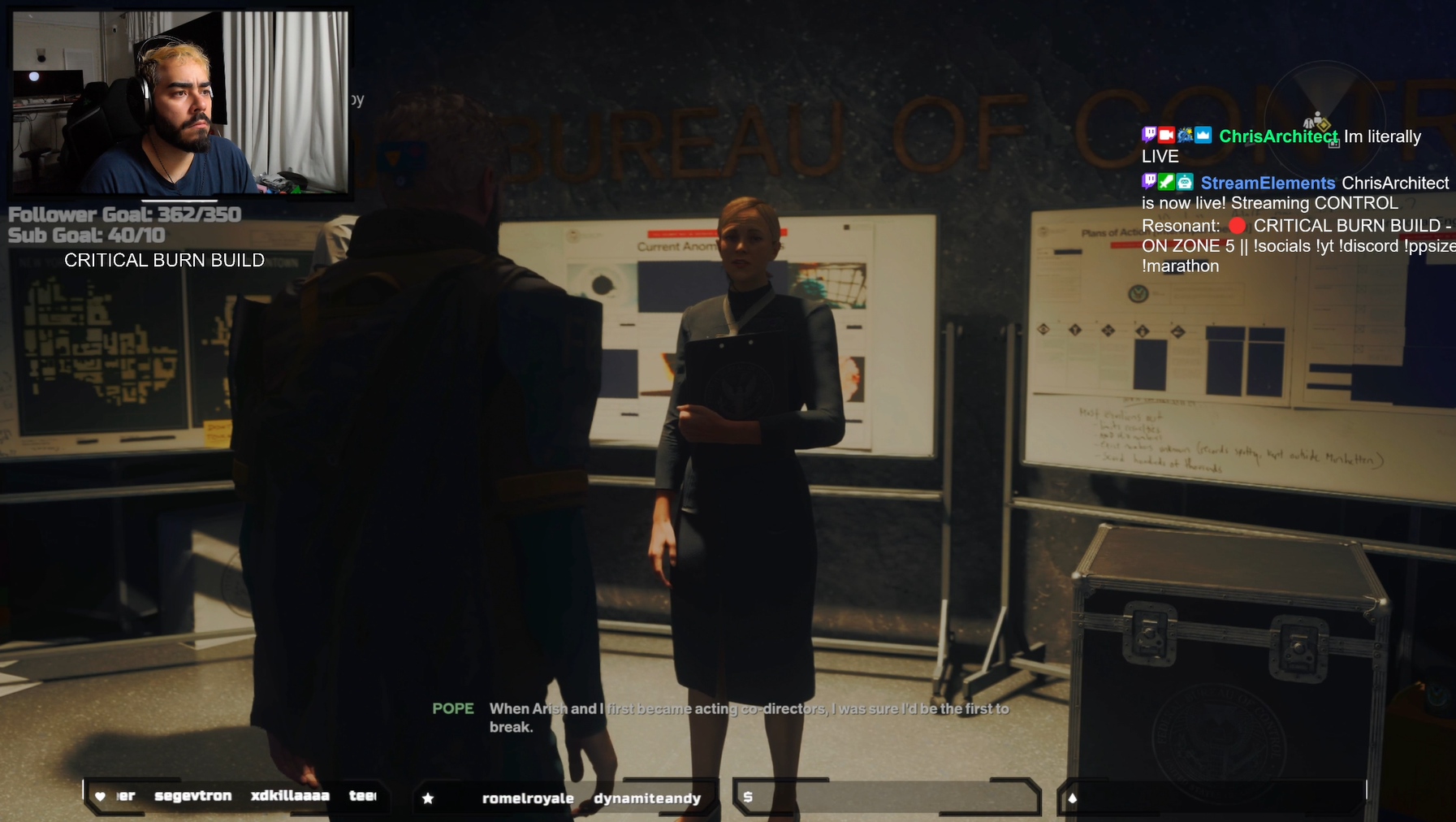
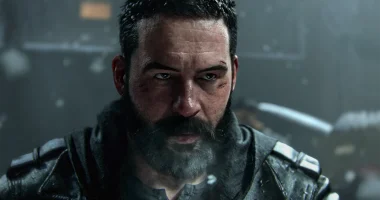
I like that Remedy chose to explore this story through Dylan. Seven years after the events of Control, the Hiss has escaped the Oldest House, and Manhattan is suffering the consequences. Dylan enters that crisis carrying his own history with the Federal Bureau of Control, while searching for Jesse gives him a personal reason to keep moving. What interests me most is watching him confront the past and his place in everything that happened. Having that history hanging over him gives his involvement more weight than simply being the person powerful enough to fight back.
Following Dylan also changes how I relate to this universe. I already know parts of his story through Jesse based on Control 1, but spending time in his perspective makes me want to understand him beyond what the original game established. His connection to his sister remains important especially given the way he’s perceived by the FBC as this nuclear-level threat, and I appreciate having that relationship carry forward into a game with such a different approach to combat and exploration. Resonant feels like a meaningful continuation of Control, with enough confidence in its new direction to give Dylan an identity of his own.
The environmental storytelling is still a huge part of why I want to keep exploring. I enjoy finding documents and details that help me piece together what happened without resolving every question I have. There’s something satisfying about learning enough to understand an encounter while realizing there’s still more going on around it. The stories behind the Resonants are especially interesting. These entities already make an impression through their appearance and scale, but having some understanding of them makes their battles much more compelling.
I Didn’t Expect This Much Depth
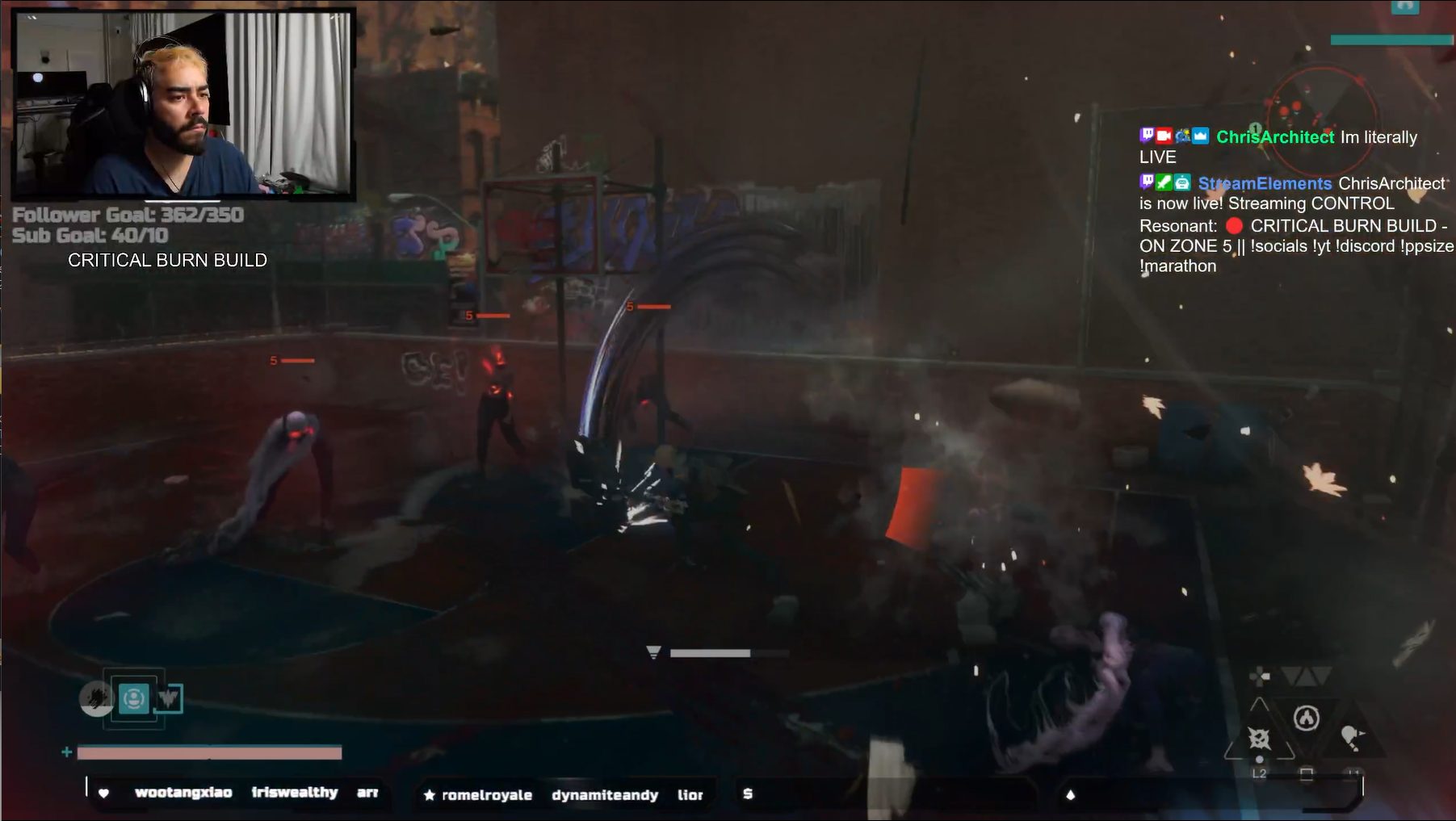
I still have a soft spot for the original’s shooting, and part of me would enjoy giving Dylan a pistol. But I love how differently he plays once the Aberrant’s possibilities start opening up. Having separate primary and secondary weapon forms, along with a choice for the combo ender, gives me room to put together an approach I actually enjoy using. I can appreciate the weight of a hammer while also wanting the speed of blades, and the game lets those preferences become part of the same setup. The attacks connect with a satisfying physical impact, which matters when enemies are floating around and I’m moving between them with supernatural abilities. I also love how crisp the finishers look. Their variety helps those moments remain rewarding instead of becoming an animation I’m waiting to finish.
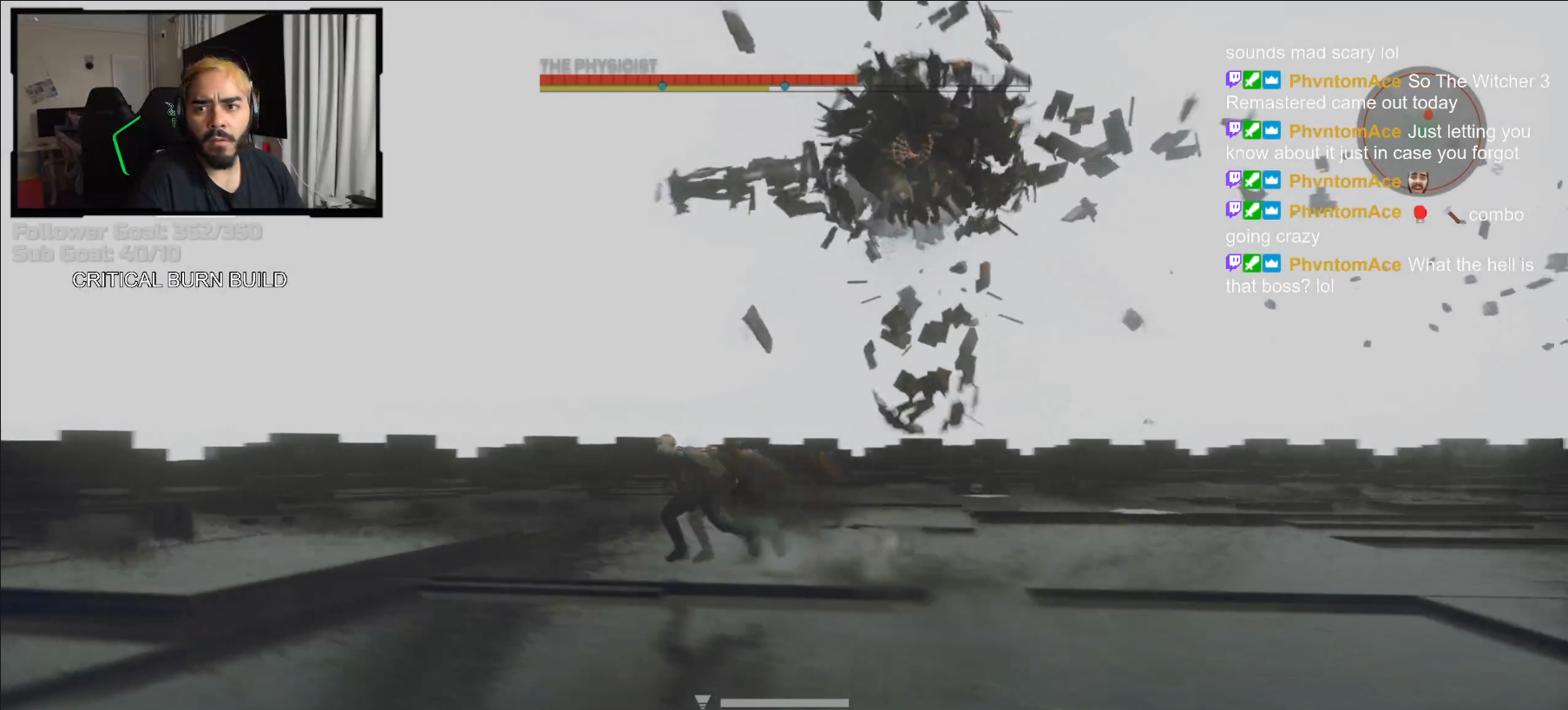
The ability interactions are what really got me excited. I can have a summon applying Mold while I’m fighting, then introduce fire and turn that buildup into an explosion. Another ally can hurl debris while I keep pressure on enemies with my own attacks. Once those effects start working together, there’s a lot happening, and I’m the one putting it into motion. Talents and passive benefits from artifacts give me more ways to support those combinations, while the detailed stats let me understand what I’m changing. Managing Power adds another consideration to using abilities without restricting every melee swing through a conventional stamina bar. That depth makes exploring worthwhile, too. Zone activities and boss encounters contribute to progression, giving me reasons to investigate beyond simply following the next story marker. The bosses themselves are wonderfully elaborate. Even after the original Control, I wasn’t prepared for how far Remedy would take some of these encounters.
The only thing I really dislike is how far the camera sits from Dylan. With summons, elemental attacks, and environmental destruction all happening together, it becomes too easy to lose track of him in the effects. I’m enjoying what the combat lets me do, but I want a clearer connection to the character while I’m doing it. Give me control over camera distance and its horizontal and vertical position so I can bring it closer and frame Dylan more over the shoulder. To me, the movement and physicality of the attacks already feel suited to that perspective. I understand the value of a wider view during a large encounter, but I want the option to decide how much distance feels comfortable. Being able to adjust that framing would make a meaningful difference to my enjoyment of an otherwise fantastic combat system.
A City Worth Getting Lost In
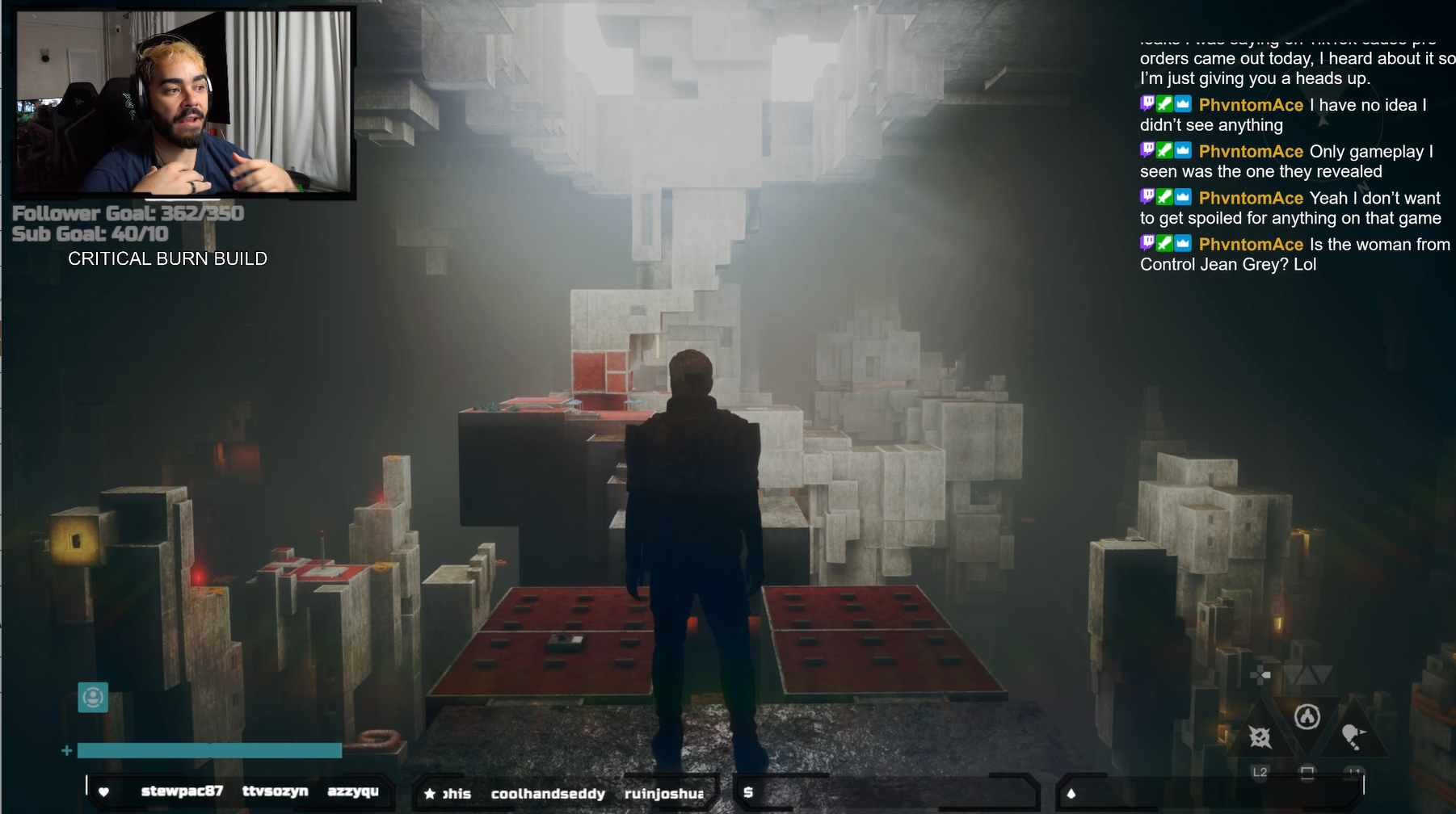
I spent a lot of time looking at Manhattan and wondering how Remedy arrived at some of these ideas. Buildings fold and reposition themselves in ways that reminded me of Inception, while enormous structures make Dylan look tiny against his surroundings. The Underpass particularly caught my attention. I loved taking in its architecture and figuring out how those spaces connected. There’s a real sense of discovery in entering another zone because I want to see what the game is going to do with the environment next. The scale is impressive, but the variety is what keeps that scale interesting.
Moving through these spaces is a huge part of their appeal. Double jumps, aerial dashes, and gravity-based traversal give me ways to engage with architecture that initially looks impossible to navigate. I like being able to reach something that seemed too far away, then reconsider the space around me from a new position. The traversal makes the city’s distortion useful as well as visually striking. Even Dylan’s sprinting afterimage adds personality to the simple act of getting somewhere. Between the world puzzles, optional encounters, and rooms to investigate, I kept finding reasons to spend more time in each area.
There’s also an impressive amount of detail beneath the larger spectacle. Physical objects and destructible environments help fights feel connected to the spaces where they happen. The fluid-like effects surrounding the Hiss look fantastic, especially alongside the different abilities filling the screen. Whenever I slowed down, I could better appreciate how much work had gone into the smaller elements of the environment. That’s another reason I want more camera control. Remedy has built a world I enjoy looking at closely, and I’d love more freedom in how I frame it during play.
REVIEW SCORE: 9/10
I’m enjoying Control Resonant more than the original, particularly when it comes to combat and exploration. I didn’t expect the melee systems to give me this much to experiment with, and I love finding ways for Dylan’s abilities to support one another. The city keeps rewarding my curiosity, while his history gives me a reason to care about the story unfolding within it. Remedy made substantial changes to Control, and I appreciate how much those changes have given me to discover.
My criticism comes down to the camera and how easily Dylan can disappear into the visual effects when it pulls too far away. Adjustable distance and horizontal and vertical offsets would go a long way toward addressing that frustration for me. Everything around it has kept me excited to play. I want to see another environment, understand another entity, and try another combination in combat. Resonant has the kind of imagination that makes me eager to find out what Remedy will do next.
For more on Control: Resonant and gaming, follow my socials here – I also stream Mon | Weds | Fri-Sat @9pm ET over on Twitch, TikTok, and YouTube