
My history with Silent Hill is admittedly a short one. Silent Hill 2 Remake was my first real experience actually playing the franchise, and it immediately made me understand why this series has remained so important to horror for decades. From there came Silent Hill f, a game I praised for its haunting storytelling, unsettling beauty and willingness to take Silent Hill somewhere completely different. Now, with Townfall, I find myself fascinated by how quickly I’ve become invested in what modern Silent Hill is becoming.
I was provided a review copy of Silent Hill: Townfall a couple of weeks ago, and after finally seeing its story through, I came away really liking what Burn Interactive has created here. Townfall leans heavily into atmosphere, psychological horror, environmental storytelling and some surprisingly sophisticated puzzle design. It isn’t without flaws, particularly when those puzzles become a little too elaborate for their own good, but Townfall understands something I’ve quickly come to associate with Silent Hill: sometimes not completely understanding what you’re looking at is exactly the point.
Three Lost Souls
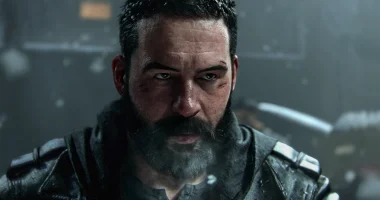
I won’t dive into Spoilers here—I’m on to specifically savor as much sense of wonder as possible. Silent Hill: Townfall follows three protagonists—Simon, Zoe and Richard—with its opening centered around Simon as he drifts into the valley town of St. Amelia, a seemingly isolated fishing community swallowed by fog. It’s the location heavily featured in the gameplay footage leading up to release, but actually walking through St. Amelia establishes an entirely different feeling. There’s an immediate sense that something underneath this town is deeply wrong, even before Townfall begins showing its hand. Its narrative cadence immediately reminded me of Silent Hill 2. The story is deliberately disjointed and scattered, rarely interested in sitting you down and explaining exactly what is happening. Instead, you’re expected to assemble it yourself through documents, puzzles, environmental details and the perspectives of its three protagonists—there is a great sense of catastrophe that happened in St. Amelia, one that intrigued me throughout my entire survival adventure. I was constantly eager to figure out what is causing the fog, why the people of St. Amelia had scores of pictures for a memorial, what did it mean to have pipes all over the other side, and who is Simon exactly. Coming from Silent Hill 2 Remake and then Silent Hill f, that approach has quickly become one of my favorite qualities of the series. Silent Hill trusts you to pay attention.
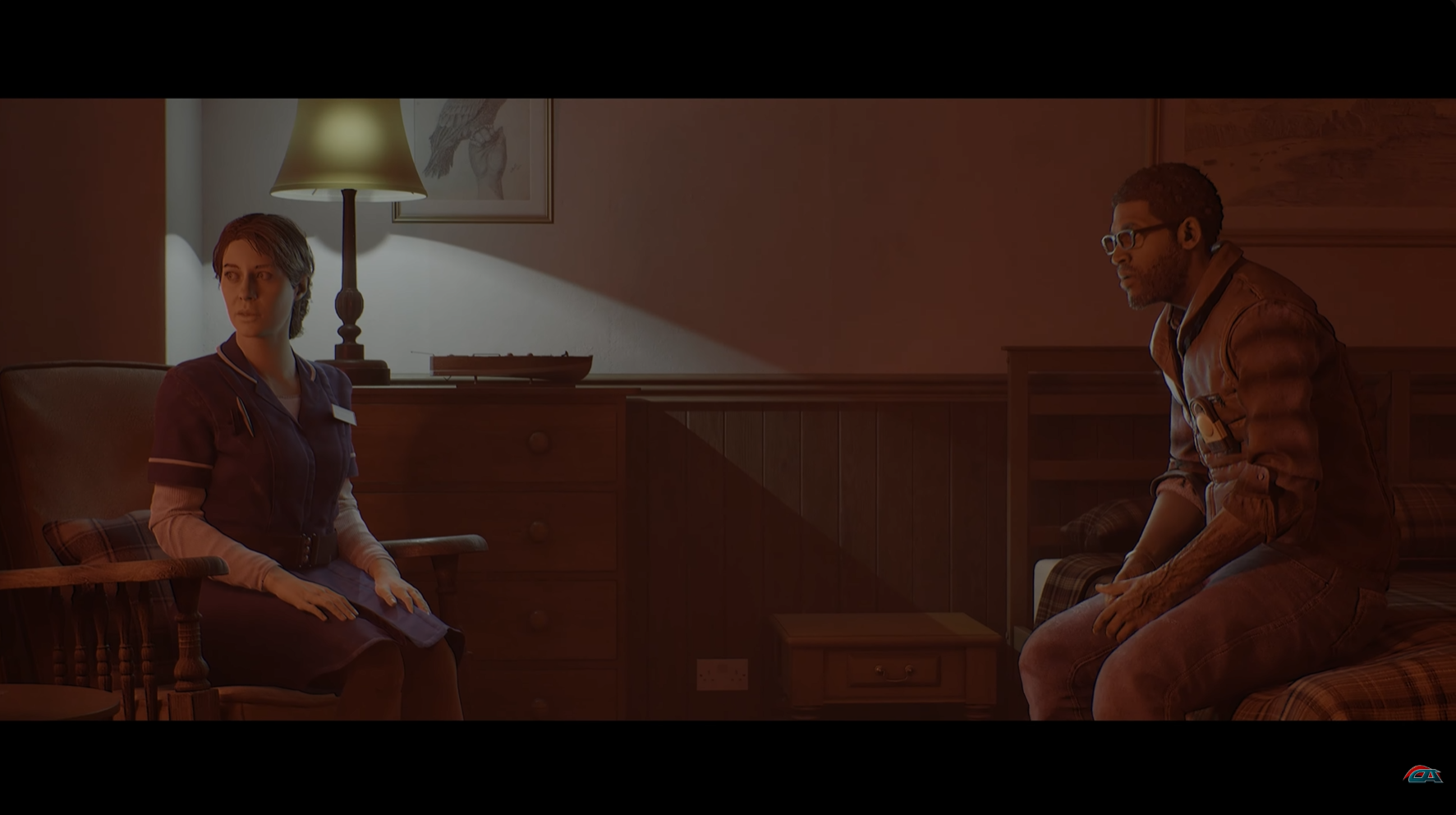
And Townfall rewards that attention with what I think is one of the most thoughtfully written and best-acted stories I’ve experienced from the franchise so far. Simon is stoic without becoming emotionally vacant, carrying some of the personable qualities I appreciated from James in Silent Hill 2. Zoe feels almost consumed by an immense sense of guilt, while Richard carries himself with an unwavering conviction that creates a very different energy whenever the story shifts toward him. They don’t feel interchangeable, and slowly understanding how these people connect to St. Amelia is where much of Townfall’s narrative strength comes from. What I particularly enjoyed is how much of Townfall’s storytelling extends beyond dialogue and cutscenes. Puzzles, documents and entire environments become pieces of its narrative, while its alternate reality—or what I constantly found myself calling its “Upside Down”—takes the underlying themes surrounding the Fog and gives them a disturbing physical form. Townfall is constantly communicating through spaces that initially seem insignificant, only for their meaning to become clearer as additional pieces fall into place. The eventual revelations surrounding St. Amelia are gratifying because the game makes you participate in discovering them rather than simply waiting for an exposition dump. There are some decent twists along the way as well, and while I obviously won’t spoil them here, there were several moments that made me reconsider things I’d previously seen.
That extends into the endings. There are five in total, and seemingly insignificant actions can alter where your story ultimately goes. Something you choose not to unlock, an item you never pick up or even how you approach a particular puzzle can potentially matter. I finished my first playthrough with the Abandoned Ending, and I’ll just say this: I’m not particularly happy with how things turned out.
So… I guess I’m going back into the Fog.
A New Perspective on Silent Hill
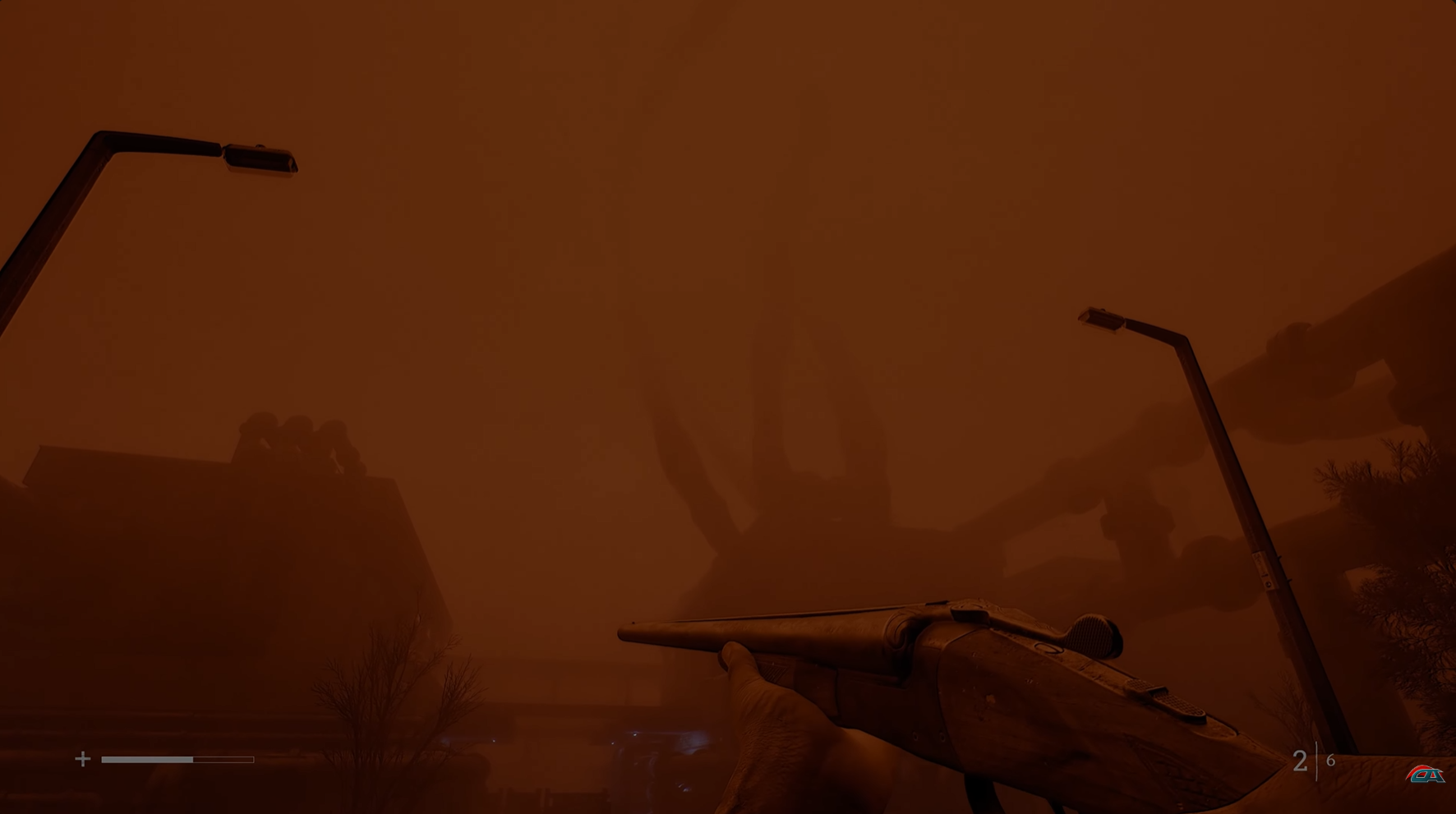
I absolutely LOVE Silent hill in First Person, and it should objectively stay this way moving forward—there, I said it. Now, of course first-person itself isn’t completely new to Silent Hill; Kojima’s P.T. famously experimented with it (man, I need a SH from him) portions of Silent Hill 4: The Room used it, and The Short Message was presented entirely from a first-person perspective. Townfall, however, represents something more significant for the series as its first full-length Silent Hill game designed entirely around first-person. I really hope it isn’t the last.
Obviously, Silent Hill mainline games were always fixed camera—and with Silent Hill 2 Remake and Silent Hill f being over-the-shoulder (next best thing for the series) things were feeling great for the franchise—but I always knew a first-person focused game would elevate the series to new heights, and so Townfall comes along and freakin’ delivered. The Fog feels more restrictive, environments are more intimate, and enemy encounters became uncomfortable because I can’t rely on a third-person camera to give me information outside my immediate field of view plus they move hella fast. It’s an expectedly natural fit for Silent Hill.
Tune Into that Horror Channel
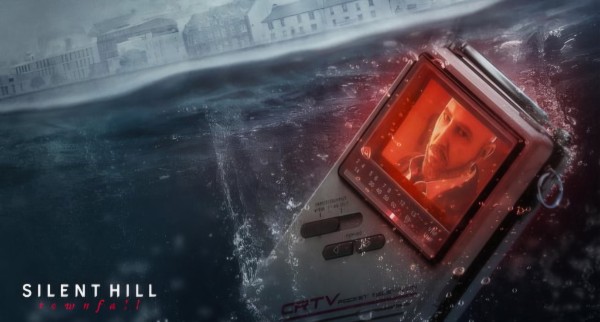
Townfall’s three protagonists introduce slight gameplay differences, although Simon receives the most interesting mechanic through his portable CRT television. The CRTV allows Simon to tune into signals scattered throughout St. Amelia. Holding R1 brings the device into focus, while L2 and R2 allow you to move through its frequencies until you dial directly into a signal. These transmissions can provide navigational clues, additional story context and even information about nearby enemy movement. We’ve become accustomed to “focus” systems in games like The Last of Us and Assassin’s Creed, where pressing a button essentially allows you to scan your surroundings. Townfall arrives at a similar function through something that actually belongs within its world. You’re physically holding this strange little television in front of you, tuning through static and watching the signal change as you try to understand what it’s showing you. Mechanically, it’s useful; thematically, it feels completely at home in Silent Hill.
Zoe largely maintains the same survival-horror foundation without Simon’s CRTV, while Richard’s portions lean more heavily toward action. The differences aren’t drastic enough to make Townfall feel like three separate games, but they’re enough to give each perspective its own texture. Combat remains firmly rooted in survival horror. You’ll have access to melee weapons alongside a revolver, double-barrel shotgun and flares, while bottles and bricks can be used as distractions rather than simply giving you another way to kill whatever is standing in front of you. There are also plenty of key items and documents to collect, with certain objects capable of being combined to progress puzzles or improve your healing resources. Simon’s IV bag that’s embedded into his arm (for some reason) introduces a sort of second-wind mechanic as well, allowing you to empty collected bags into it and further enhance its effectiveness. There’s enough going on mechanically to keep exploration meaningful without turning Townfall into something it isn’t.
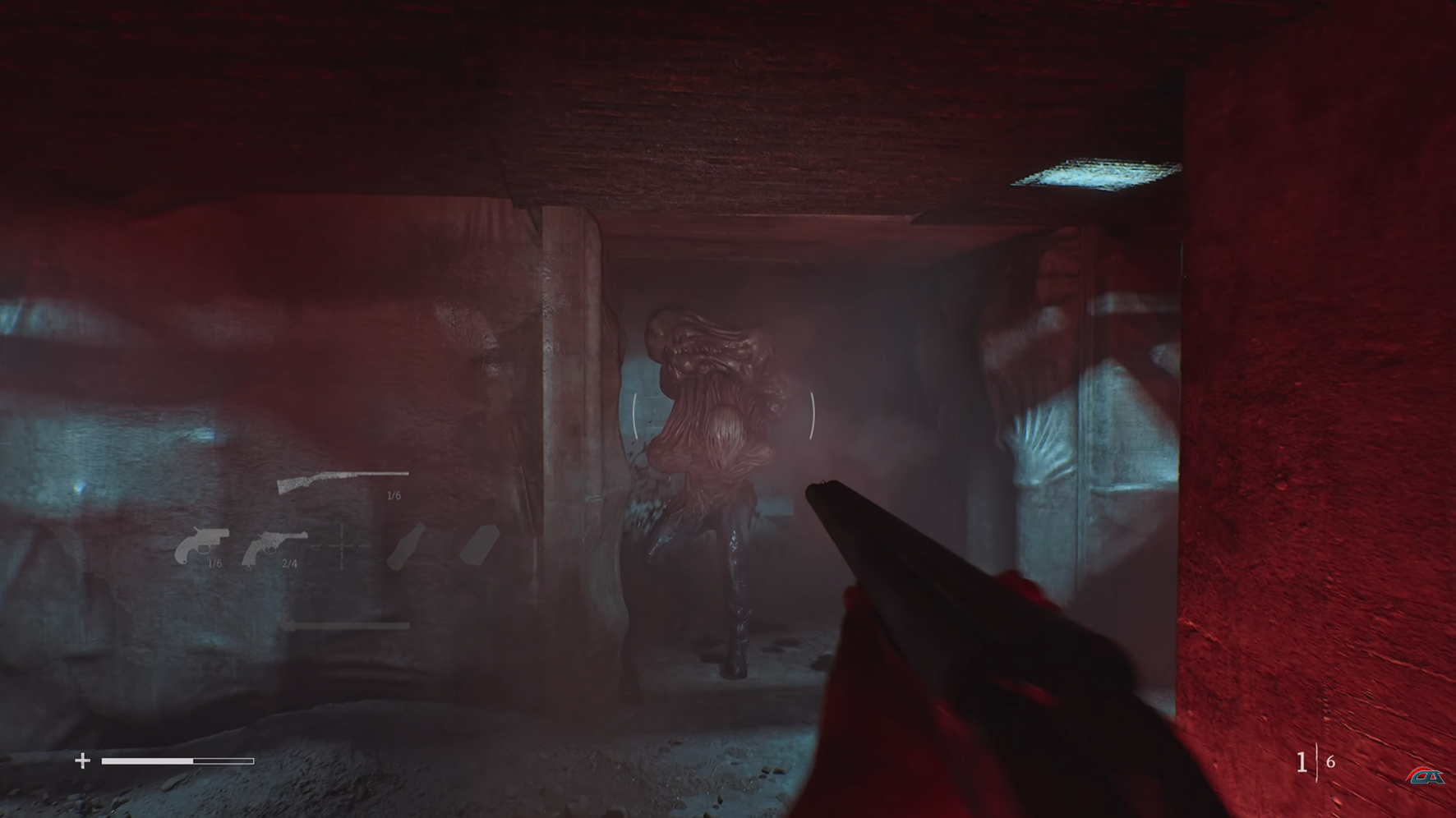
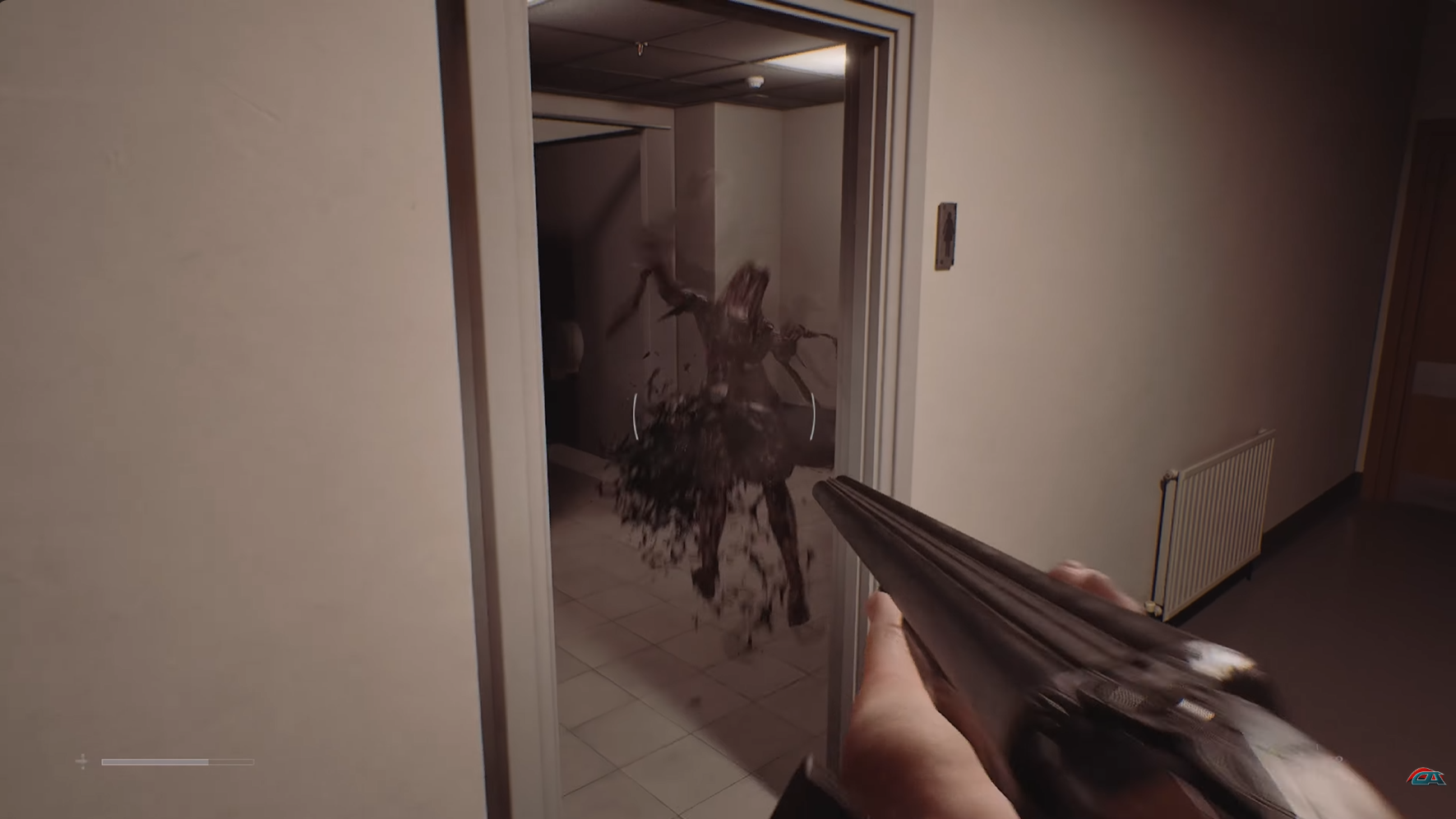
People wondered about the action of Silent Hill: Townfall, well there’s plenty of it with a variety of monsters to sneak past or fight. You have to be mindful though; resources are massively scarce even on normal mode. One creature has an axe embedded into its head. Other tears open its chest before attacking with catheter-like wires. Others stalk you from the darkness or crawl aggressively across the ground, and the behavioral differences between them force you to pay attention because these monsters are fast, resilient and freaky. Visually, though, this is one area where I wanted more from the developers. The monsters themselves are disturbing, and visually look different from one another, but their broader visual presentation doesn’t always have the same degree of variation. More differences in clothing, or some form of deterioration and smaller physical characteristics would have gone a long way toward making individual encounters feel less visually familiar. When in combat, the enemies can feel a bit floaty at times too, sort of frame skip into attacking you, draining a large portion of your health—it would be nice for a bit more hit registration and impact from your melee attacks on monsters. Now, there is an issue with UI in this game, but not in the way it looks, more like in the way items work—there is no way to quick slot your items to use during gameplay. The enemies hit very hard, so you are constantly in need to heal, that requires you to go into your inventory, which covers the entire screen, and then you have to highlight the consumable, and then you have to press X/A to use it; to combine items, it’s a 2-prompt action. This sort of transitional cadence can irritate the flow of combat and survivability especially during key moments that requires you to flee the scene or hide and such.
Puzzles That Actually Made Me Stop
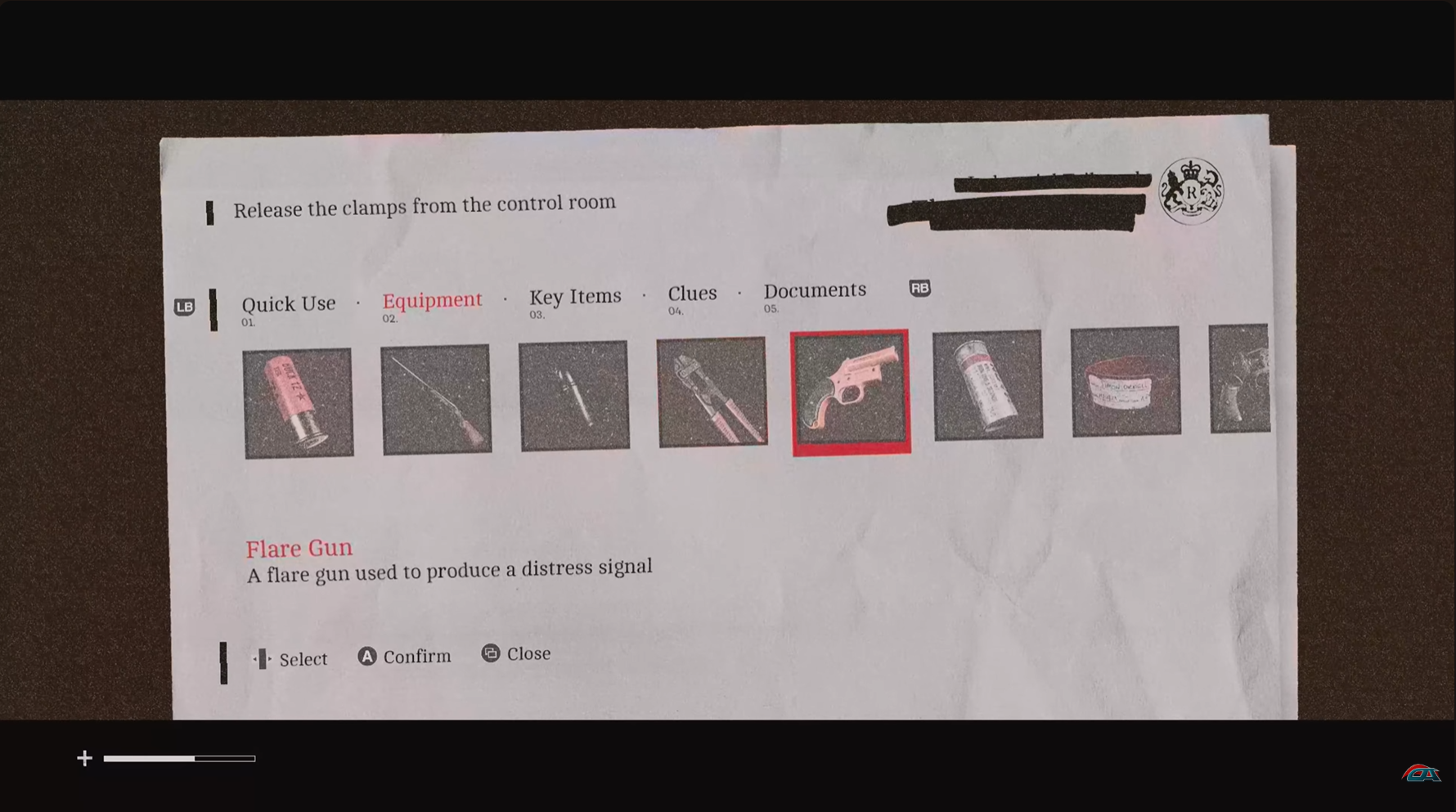
Even with hints enabled—and especially without an online guide sitting there waiting to rescue me—I found some of these puzzles genuinely difficult. There were sections where I was stuck for dozens of minutes, walking around, rereading information and questioning whether I’d completely misunderstood what the game wanted from me. And strangely enough, I appreciate that. We’ve reached a point where a lot of modern games are terrified of allowing the player to actually be stuck. A puzzle appears and, within moments, somebody is verbally telling you what to do or the solution is practically glowing in front of you. Townfall goes in the opposite direction.
These puzzles can be highly sophisticated. Maybe even a little overtuned. But solving one after spending twenty or thirty minutes staring at it creates a sense of accomplishment that wouldn’t exist if the answer had been handed to me after three minutes. Considering how subtle actions appear to influence Townfall’s multiple endings, I’m also left wondering just how deeply some of these puzzles and their solutions are connected to the larger narrative structure.
That alone makes my inevitable second playthrough considerably more interesting.
Visually, Townfall is absolutely gorgeous in the most disturbing way possible. This is another showcase for what Unreal Engine 5 can accomplish when the technology is paired with genuinely strong art direction. Character models are extremely well done, environmental detail is excellent, and St. Amelia has an oppressive sense of place that makes simply walking through the Fog feel uncomfortable. Lumen lighting is incredible here. Darkness shapes rooms without artefacts bleeding in between, every indirect lighting and shadows are realistically lit and combine that with the game’s fog system and Townfall can be horrifically beautiful. The Fog feels like the town itself, swallowing distant detail, reshaping silhouettes and constantly limiting how much visual information you’re allowed to have—but in a realistic and practical sense. The alternate environments push things even further, using UE5’s lighting and material work to create some wonderfully disturbing spaces. Townfall is exceptional.
Another Side of Silent Hill
What’s becoming fascinating to me as a relatively new Silent Hill fan is just how different these games have already been. I know there are like, insanely diehard fans that wants all games to be in Silent Hill specifically, but that’s insanely boring in my humble opinion—Resident Evil started in a mansion, and then expanded to Raccoon City and beyond, solidifying its place amongst the giants in the genre. Silent Hill 2 Remake was my introduction to this universe and its deeply personal approach to psychological horror. Silent Hill f then completely changed the cultural and visual backdrop while retaining that same fascination with trauma, symbolism and the human psyche. In my review of Silent Hill f, I praised how confidently it could reinvent the series while preserving that psychological identity underneath everything. Townfall reinforces that feeling into a level I can say it can arguably be equal to Silent Hill 2.
But at the same time, it doesn’t really need to. It can be its own thing and still respect Silent Hill’s underlying tone and magic.
What connects these games for me isn’t necessarily a location, camera perspective or particular monster. It’s the discomfort of entering someone’s fractured reality and slowly realizing that the environment around you is communicating something about the people trapped inside it. Townfall understands that incredibly well. It gives you a mystery worth unraveling, characters worth understanding and an atmosphere thick enough that sometimes simply walking forward becomes uncomfortable.
REVIEW SCORE: 8/10
Silent Hill: Townfall is a mainline game that deserves respect because it respects the franchise amicably. Everything from its visual fidelity, tone, characters and story pacing to its puzzles occasionally push beyond its challenge into being somewhat overtuned gave away an experience worth recommending to newcomers and fans alike.
For more on SILENT HILL: Townfall and gaming, follow my socials here – I also stream Mon | Weds | Fri-Sat @9pm ET over on Twitch, TikTok, and YouTube