Reviewed on Steam Deck OLED
The review for Monster Hunter Stories 3: Twisted Reflection arrives later than I would have liked. The reality of today’s gaming landscape is simple: releases are arriving at a relentless pace. Between major AAA launches, surprise indie hits, and ongoing live-service commitments, finding enough hours to properly experience every game has become increasingly difficult.
After spending roughly 60 hours completing the campaign, side activities, post-game content, and monster optimization systems, Monster Hunter Stories 3: Twisted Reflection proved itself to be one of the strongest entries in Capcom’s RPG catalog. More importantly, it continues to carve out a unique identity separate from the mainline Monster Hunter series. While action-focused hunters continue their adventures elsewhere, Stories remains a celebration of monster companionship, turn-based strategy, and heartfelt storytelling. This latest entry delivers all of that with more confidence than ever before.
Reflective Twins Matched By Destiny
Twisted Reflection establishes a more mature tone than previous Stories titles. Political tensions between neighboring kingdoms, environmental instability, and the mystery surrounding twin Rathalos create a compelling foundation that feels larger in scale than anything the subseries has attempted before. The narrative places greater emphasis on relationships, responsibility, and the consequences of power. The world feels like it exists beyond the player’s immediate journey, which helps create a stronger sense of immersion throughout the adventure.
The cast is memorable, and several key moments land with genuine emotional impact. While some story beats don’t fully capitalize on the fascinating premise, the overall journey remains engaging from beginning to end. Newcomers can jump in without prior knowledge of the franchise, while longtime fans will appreciate the expanded lore and worldbuilding. One area that genuinely surprised me was how invested I became in the side content—most standard side quests follow familiar RPG structures and often lean toward fetch-style objectives. And while Monster Hunter Stories 3 does an excellent job of tying many of these activities back into progression systems that make them feel worthwhile, it’s still monotonous in nature.
The companion questline is a bit more robust but still follows the same structure in the end. These provide decent character moments and completing them unlocks new gameplay systems, expands companion functionality, and gives party members greater utility throughout the adventure. It’s a good feeling to have found myself regularly stepping away from the story to complete side activities simply because the rewards felt meaningful. It’s a testament to how well Capcom integrated narrative and progression into the broader experience.
Faster Turn Based
The heart of Monster Hunter Stories 3 remains its turn-based combat and monster-raising systems, but this latest entry adds enough layers of depth to make it feel like one of the most mechanically satisfying RPGs Capcom has produced. The familiar Power, Speed, and Technical combat triangle returns, though battles now feature considerably more nuance thanks to weapon management, body-part targeting, elemental interactions, and monster abilities. What surprised me most was how faithfully the game translates traditional Monster Hunter mechanics into a turn-based RPG. Each weapon type carries its own identity. Longswords build gauge and reward careful play, while Gun Lance require proper resource management across turns. Individual attacks can also vary between Stab, Blunt, Crush, and other damage types, encouraging players to adapt their strategies depending on enemy weaknesses and breakable parts.
One of my favorite systems remains the Monstie Gene and Bingo Bonus system. Experimenting with gene placement and creating synergies between elemental affinities and passive bonuses is endlessly rewarding. Building the perfect Monstie often felt just as satisfying as creating an optimized armor set in the mainline games. The new Environmental Habitat Rank and Release Ecosystem adds another compelling layer to progression. Releasing Monsties back into their habitats doesn’t simply serve as inventory management. Over time, environments evolve, ecosystem rankings shift, and those changes can even influence future Monstie gene traits and elemental characteristics. It’s a clever mechanic that reinforces the idea that these creatures exist within a living world rather than a static checklist of collectibles.
Gems play a massive role in buildcraft, much like decorations in the core Monster Hunter series. Becoming stronger often comes down to creating smarter builds rather than simply increasing numbers, which I greatly appreciated. I also loved having access to three weapon that can be switched during battle. The flexibility to adapt on the fly creates encounters that feel tactical and dynamic, especially during difficult hunts.
That said, I do have a few criticisms.
While players can overlevel through side activities and exploration, Monsties themselves cannot exceed the Rider’s level cap. This design choice limits the fantasy of creating an overpowered monster team and removes some of the freedom that creature-collection RPGs traditionally embrace. I was also disappointed by the limited control over AI companions. Outside of basic behavior commands, there isn’t much room to customize party member equipment or direct their actions. Given the depth found elsewhere in the game’s systems, this feels like a missed opportunity.

RE: Engine Delights
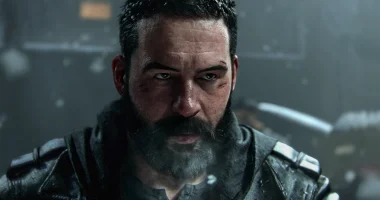
Capcom has delivered the best-looking Stories game to date. The visual upgrade is immediately noticeable. Character models feature greater detail, monsters look fantastic, and environmental design showcases a level of polish that helps bring the world to life. The more mature artistic direction complements the game’s darker themes while maintaining the charm that defines the series. Voice acting is strong across the board, and cinematic presentation receives a noticeable boost compared to previous entries. Perhaps the biggest surprise was how well the game performed on my Steam Deck OLED.
I played the majority of my review running at maximum settings while maintaining a remarkably stable 40 FPS experience. Visual quality remained excellent, battery life was respectable, and the game felt perfectly suited for portable play.
REVIEW SCORE: 8.5/10
Monster Hunter Stories 3: Twisted Reflection successfully builds upon the strengths of its predecessors while introducing meaningful improvements across nearly every category. The deeper combat systems, expanded monster customization, stronger presentation, and more ambitious storytelling help elevate the series to new heights. A few pacing issues and occasional grinding prevent it from reaching the upper echelon of RPG classics, but they do little to diminish what is otherwise an excellent adventure.
Monster Hunter Stories 3: Twisted Reflection is the strongest entry in the subseries so far. Between its engaging combat, rewarding progression, beautiful presentation, and excellent Steam Deck performance, Capcom has delivered one of the year’s most enjoyable RPG experiences.
For more on Monster Hunter Stories 3 and gaming, follow my socials here – I also stream Mon-Sat @9pm ET over on Twitch, TikTok, and YouTube