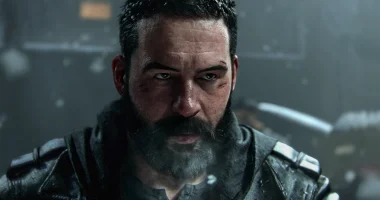
There’s something magnetic about a game that refuses to die — one that rises from the ashes of a disastrous launch to become a legend whispered about in gaming circles decades later. Vampire: The Masquerade — Bloodlines is one of those rare cases.
I’ll be honest: I never played the original when it launched back in 2004. I honestly didn’t know it even existed because I never had a PC to play games for it. In this day and age, it just doesn’t pull me — due to it being dated of course. But a friend told me about their love for the game, and as I watched from the sidelines, I’ve always been fascinated by the myth surrounding it. Every few years, its name comes up again, usually with someone saying, “You have to play Bloodlines — there’s nothing like it.” And with Bloodlines 2 finally looming on the horizon, I decided to dive deep into what exactly made this broken, brilliant game one of PC gaming’s most enduring cult classics.
The Ambition That Broke Troika
The story behind Bloodlines is one of ambition colliding headfirst with reality. Developed by Troika Games — a studio founded by ex-Fallout developers — the game was built on Valve’s then-new Source Engine. That decision alone made history: Troika had access to the engine before Half-Life 2 even launched. But it also became their undoing. Activision, the publisher, enforced a strict release window, and Troika wasn’t allowed to launch before Half-Life 2. By the time the green light came, the studio had been burning resources just to stay afloat. When Bloodlines finally released in November 2004, it hit shelves riddled with bugs, half-finished systems, and quests that simply didn’t work.
It was a masterpiece trapped in an unfinished body — a vampire with an unquenchable thirst for polish.
Fans describe that launch as chaotic: crashes, corrupted saves, broken AI, quest logic collapsing mid-story. Critics loved the writing and atmosphere but couldn’t ignore the technical disaster. The game flopped commercially, selling just a fraction of what Troika needed to survive. Within months, the studio shut its doors.
Yet somehow, the story didn’t end there.
The Fans Who Wouldn’t Let It Die
If there’s one thing that truly defines Bloodlines, it’s the loyalty of its fanbase. After Troika’s closure, most games from that era would’ve faded into obscurity. Bloodlines did the opposite. Fans began patching the game themselves. What started as a few quick fixes evolved into full-blown community restorations — unofficial patches that added back cut content, fixed thousands of bugs, and even restored entire storylines that never made it to release.
It’s rare to see that level of devotion. Even today, the Bloodlines community continues to update and refine the game, with fan-made patches numbering well into double digits. They not only fixed it, but they also preserved it. And that’s where the cult following truly took root. Players found something special beneath the mess: sharp, witty dialogue, a morally gray world steeped in gothic style, and a freedom of choice that felt years ahead of its time. Bloodlines let you be a monster — seductive, manipulative, or outright brutal — and the game responded to those choices in ways few RPGs ever have.
It wasn’t perfect, but it was human.
A Cult Classic That Outlasted Its Era
What’s so compelling about Bloodlines is that it shouldn’t have worked. Every sign pointed to failure, yet it’s now studied, streamed, and discussed like a lost artifact of gaming history.
The game’s atmosphere — that mix of neon-lit noir, dark humor, and tragedy — struck a chord. Its Los Angeles setting wasn’t sprawling, but it was dense with personality: seedy nightclubs, vampire factions scheming in the shadows, and dialogue that still outshines many modern RPGs. It’s the kind of world you remember not for its mechanics, but for its moments. A conversation with a fellow vampire that goes from flirtation to threat. A side quest that ends in regret instead of victory. A sense of existing in a secret world that doesn’t care if you understand it — because you were never supposed to.
Now, two decades later, Vampire: The Masquerade — Bloodlines 2 is on the verge of release — though its own development has been a rollercoaster that mirrors its predecessor’s troubled past. Originally developed by Hardsuit Labs, the project’s key creative leads were suddenly removed in 2020, with writer Brian Mitsoda calling his dismissal “a shock.” The project then shifted to a new studio, The Chinese Room, effectively rebooting much of the game mid-development.
That alone was enough to make fans nervous, but things escalated when Paradox Interactive revealed that two iconic clans — Toreador and Lasombra — would be locked behind paid DLC. The backlash was immediate. Fans accused the publisher of monetizing the core of what makes Vampire: The Masquerade special. After days of criticism, Paradox reversed the decision and confirmed both clans would be part of the base game.
Still, concerns remain. The sequel appears to be taking a more streamlined approach: no character creation, fewer RPG elements, and a focus on combat. Some fans are worried Bloodlines 2 will lose the charm of what made the original beloved — that messy, unpredictable freedom. To me, it feels like déjà vu. The same creative tension that fueled Troika’s downfall lingers over this sequel. The difference is that now, the community knows exactly what it wants — and isn’t afraid to say it.
Why This Story Still Matters

Even without playing it firsthand, I’ve come to appreciate Bloodlines not as a game, but as a phenomenon. It’s a reminder that imperfection can breed greatness — that a flawed creation, born from passion and chaos, can outlive the polished products that followed.
It’s the kind of legacy that makes me root for Bloodlines 2, even as I keep my expectations in check. Because at the heart of it all, there’s a truth that fans have carried for twenty years: Bloodlines wasn’t just about being a vampire. It was about being human — fragile, flawed, and desperately trying to hold on to something worth believing in. And that’s a story worth revisiting, especially now, as the next chapter prepares to rise from the crypt.
For more on Vampire: The Masquerade — Bloodlines and gaming, follow my socials here – I also stream Mon | Tues | Thurs | Fri @10pm ET over on Twitch, Kick, TikTok, and YouTube